
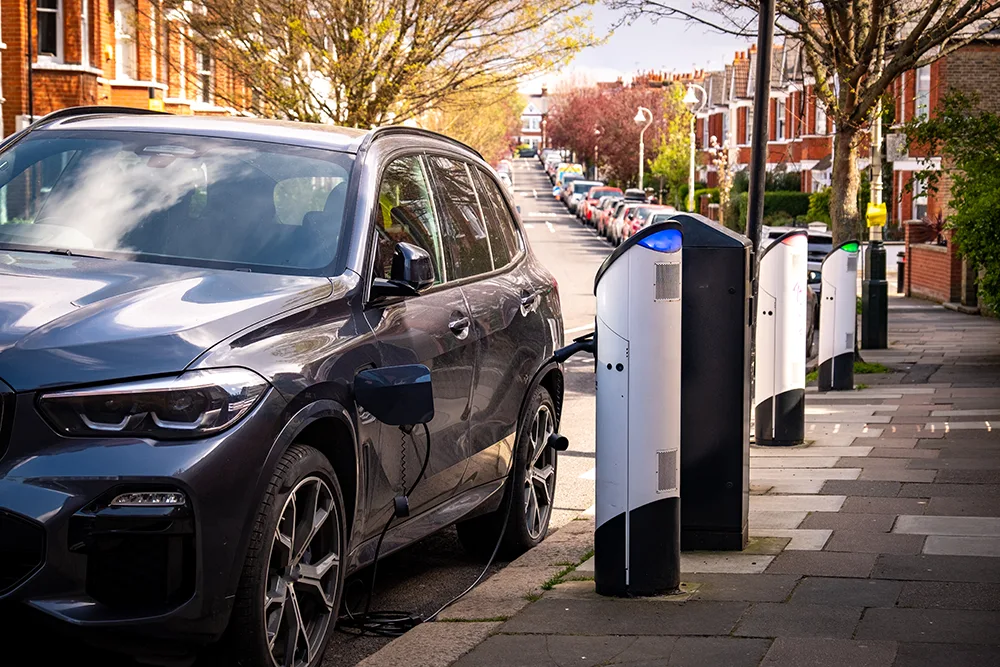
Electric vehicles aren’t coming – they’re already here. And for recovery operators, that means adapting to a vehicle type that behaves very differently from anything that came before it.
A petrol or diesel breakdown is familiar territory. An EV or hybrid recovery is a different job entirely; one where the wrong equipment or the wrong approach can turn a straightforward call-out into a serious incident.
This guide covers what makes EV recovery different, the risks you need to understand before you attend a scene, and the equipment that belongs on every recovery operator’s truck in 2026 and beyond.
WHY EV RECOVERY IS DIFFERENT
The fundamental challenge with electric and hybrid vehicle recovery isn’t mechanical; it’s electrical. A modern EV carries a high-voltage battery pack that can hold its charge even after a collision, even when the vehicle appears completely dead, and even when conventional isolation procedures have been followed.
That changes almost everything about how you approach the job:
- You can’t assume the vehicle is safe to touch based on visual inspection alone
- Towing position matters more – dragging an EV incorrectly can activate regenerative braking, feed charge back into a damaged battery, and create a fire risk
- Battery damage isn’t always visible – a vehicle that looks fine after a low-speed impact may have compromised battery cells that become unstable hours or days later
- Water and EVs are a specific hazard – a submerged or flood-damaged EV presents risks that a petrol vehicle simply doesn’t
None of this means EV recovery is beyond the reach of a competent operator. It means it demands the right preparation.
THE EQUIPMENT EVERY OPERATOR NEEDS
EV-specific towing equipment
Standard tow poles and conventional wheel lift setups can work for EVs in the right circumstances, but you need to understand the vehicle’s recovery points and towing restrictions before you attach anything. Many EVs have strict guidance on tow-away procedures – check the manufacturer’s recovery guide for the specific model before you start.
Wheel skates and skids
For EVs where flat towing isn’t recommended, wheel skates allow you to move the vehicle without the driven wheels turning, avoiding regenerative braking activation and protecting a potentially damaged drivetrain. A quality set of wheel skates is essential for any operator regularly attending EV callouts.
Voltage reducers and isolation equipment
Voltage reducers help manage the electrical risks present at an EV recovery scene. Alongside manufacturer-specific isolation procedures, these form part of a safe working approach to high-voltage vehicles.
Crash wrap and containment equipment
If an EV battery has been compromised in a collision, crash wrap (also known as collision wrap) is used to contain and protect the vehicle during recovery and transport. It’s standard kit for accident recovery, and doubly important when battery damage is suspected.
Trailer boards and wireless lighting
EVs often can’t be towed with their ignition on, which means standard lighting connections may not work. Wireless trailer boards, such as those in the Connix range, remove this problem entirely, giving you fully compliant lighting without a wired connection to the vehicle.
PPE and safety equipment
High-visibility PPE, first aid kits, fire extinguishers, and chemical hazard equipment all have a role at an EV recovery scene. The thermal runaway risk from a damaged lithium-ion battery requires a different first-response approach from a conventional vehicle fire.
BEFORE YOU ATTEND AN EV SCENE: A PRE-ARRIVAL CHECKLIST
- Check the vehicle make and model against the manufacturer’s recovery guide before departure if possible
- Confirm the nature of the incident: routine breakdown, accident damage, or submersion/flood all require different approaches
- Ensure your vehicle carries EV-appropriate equipment, not just standard recovery kit
- Identify your isolation procedure for that specific vehicle type
- Have your PPE accessible, not buried in the cab
THE OPERATOR’S RESPONSIBILITY
EV recovery isn’t just an equipment challenge, it’s a knowledge challenge. The operators who handle it best are the ones who’ve taken the time to understand the technology.
At TowEquip, we’ve invested heavily in understanding the demands that new vehicle technology places on the recovery trade. It’s why our EV and hybrid equipment range has been developed alongside, and tested by, working operators who do this job every day.
If you’re unsure whether your current kit is up to the job, or you’re putting together a new truck and want to get the EV side right from the start, get in touch and we’ll help you spec it properly.
Browse TowEquip’s EV & Recovery Equipment Range.